
Pygmy Blue Whales
Join us for our second year in Timor-Leste to meet the largest whale species on the planet.
Main Group: Oct 25 - Nov 1, 2026
Extension: Nov 1-4, 2026
Expedition Brief
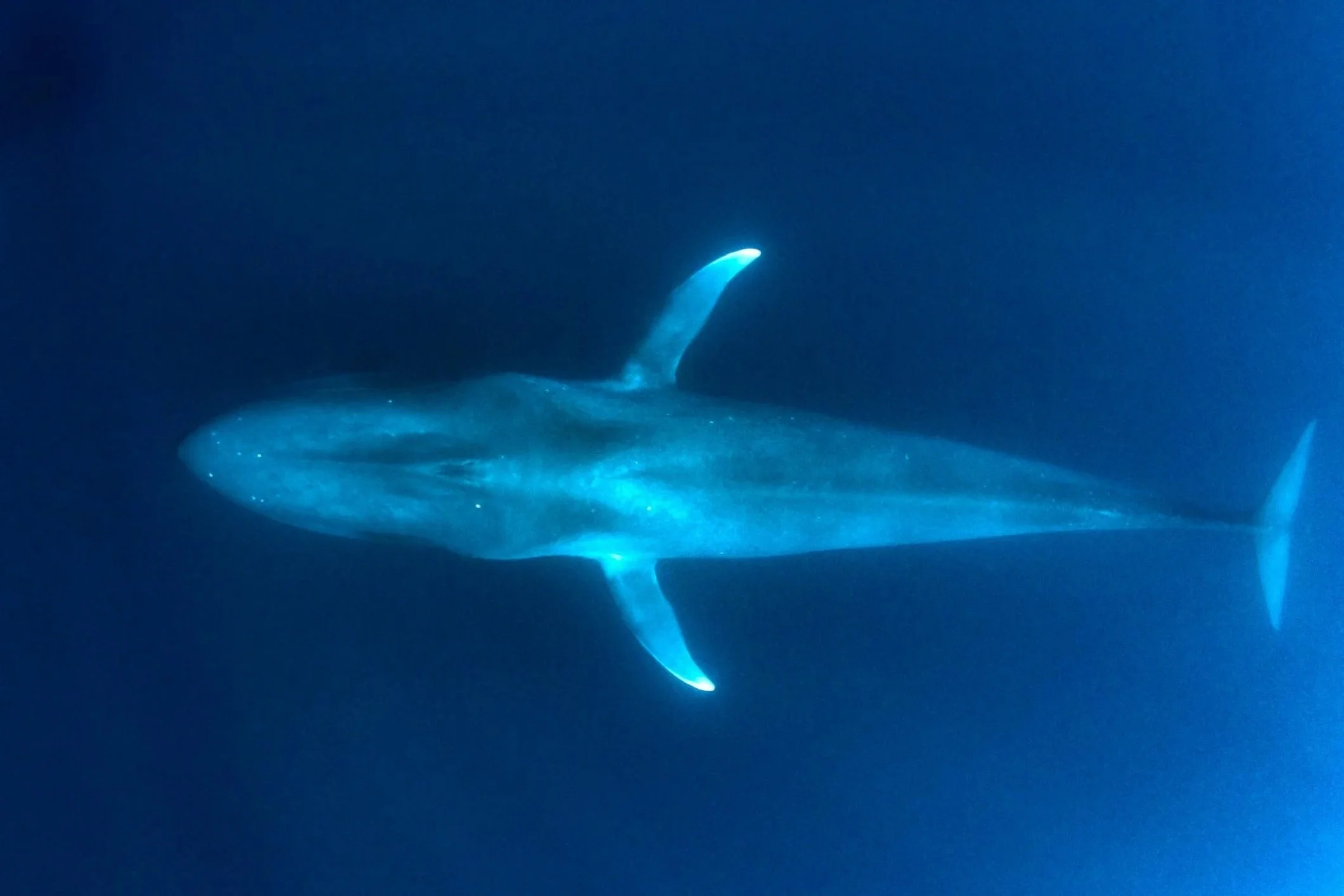
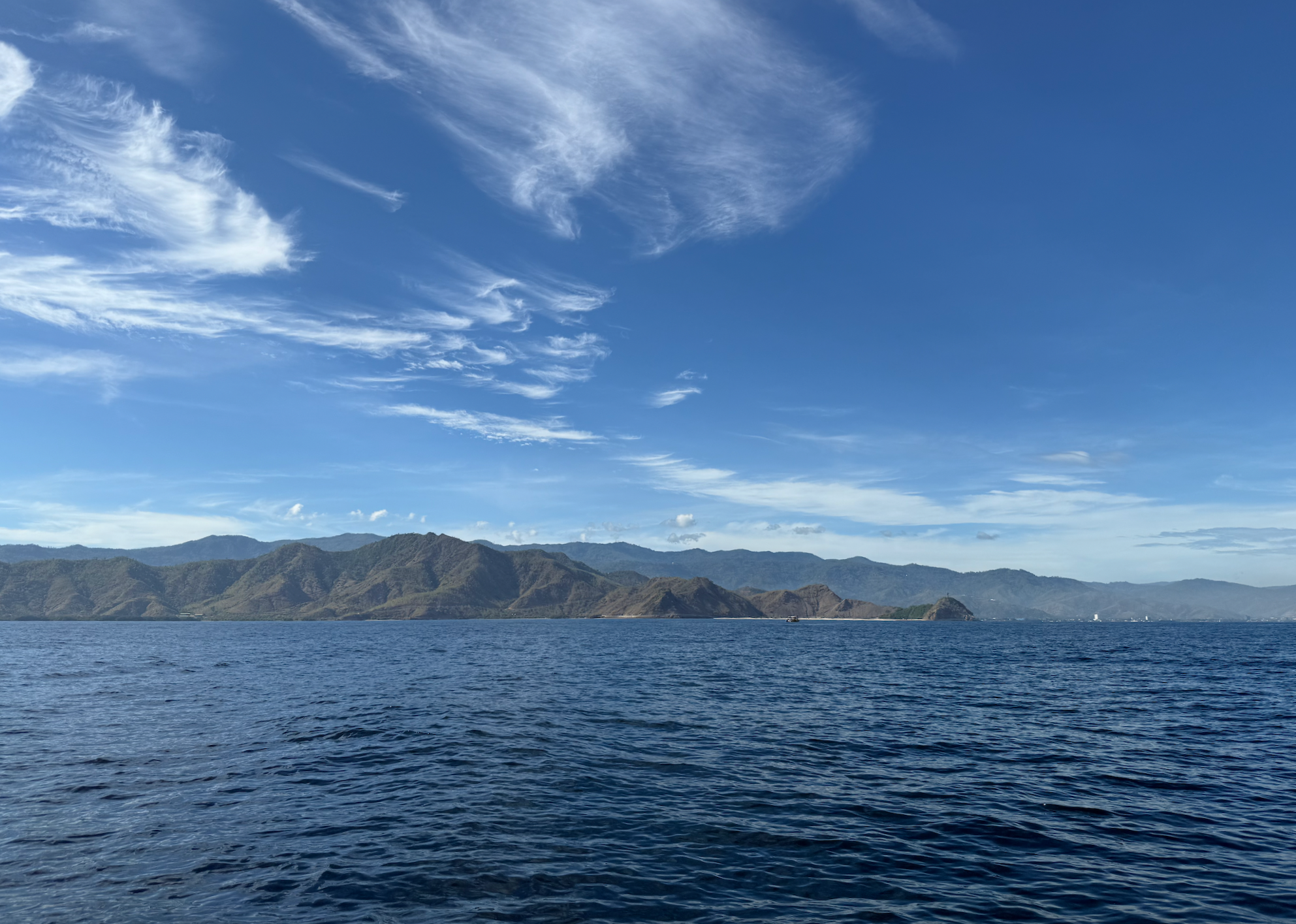
Timor-Leste lies along one of the world’s least studied great whale migration corridors. Each year, pygmy blue whales move from lower-latitude waters of eastern Indonesia toward feeding grounds off southern and western Australia, passing directly along Timor-Leste’s north coast, where deep pelagic waters rise close to shore and make rare encounters possible.
Beyond the whales, Timor-Leste offers something increasingly uncommon: a young nation where life remains closely tied to the sea. Small-scale fishing, quiet coastlines, and strong local identity shape an experience that is as much about place as it is about wildlife.
Our program reflects this balance: small groups, locally and expertly guided, unhurried time on the water, and meaningful time on land with locals. This is not a high-volume wildlife product, but an immersive expedition rooted in respect for both ocean and country.
The trips we are offering for 2026 are a bit different from each other, combining time in Dili, the capital, with more rural encounters away from other boats.

MAIN GROUP
OCTOBER 25 to NOVEMBER 1, 2026
Session 1: Oct 25 - Nov 1, 2026 (8 days)
Arrival in Dili: Oct 25
Everyone meets up in Dili on Oct 25th (easy direct flights into Dili are available from Bali and Kuala Lumpur), where we’ll do a welcome briefing and gear check.
Dili: Oct 26-30
Starting from the 26th through the 30th, we will do five 6-hour boat days from 7am to 1pm in search of blue whales and sperm whales, followed by a group lunch. In the afternoons, we embark on local side quests in and around Dili to better get to know the history, culture and trauma of one of the world’s youngest countries.
Atauro day trip: Oct 31
We’ll take a private speed boat day trip over to Atauro island for some snorkelling, beach visits and for cert divers some scuba diving (additional cost for scuba).
Departures from Dili: Nov 1
We’ll return to Dili the night before for a farewell meal and guests are free to arrange their flights out of Timor-Leste anytime on Nov 1st.
Pricing: $4490
Single supplement: +$490 (optional)
Includes
5 full on-water days in Dili in search of blue whales and sperm whales to swim with (6 hrs on the boat per day, weather dependent). Limited to 8 guests.
Day trip to Atauro island.
7 nights accommodation (twin shared, single supplement is available at an additional cost).
Breakfasts and lunches daily.
Airport transfers.
Expert whale guide and trip leader.
Experienced local staff and captains.
Photography lessons / any photo our guides happen to get of you during the trip.
Excludes
Gear (must bring your own mask, snorkel, fins, rash guard, leggings, weight belt, anti fog etc. We will provide a packing list prior to your trip.)
Flights / international transportation
Dinners
Drinks / alcohol
Insurance
Personal spending and gratuities (optional)
EXTENSION
OCTOBER 31 to NOVEMBER 8, 2026
EXTENSION: Nov 1-4, 2026 (4 days)
Remote Regions: Nov 1-3
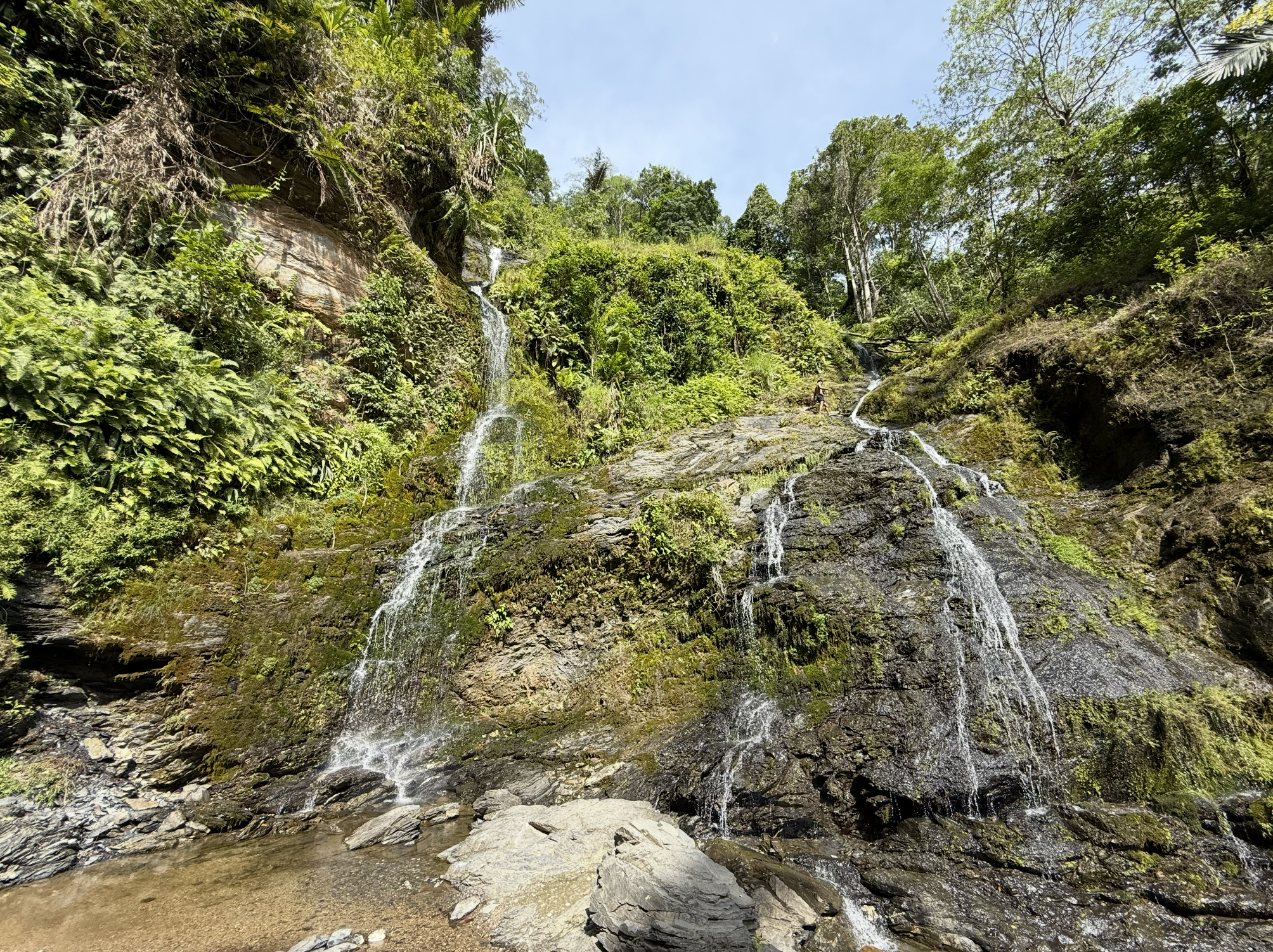
We traverse through the highlands and spend 2 full days in a more remote coastal region of the country about 3 hours from Dili. Here we do 6 hours a day on a local boat in search of blue whales and sperm whales completely away from the crowds. The boat and area is much more rustic than Dili, but the best part about it is there are no other boats around. We will have the sea entirely to ourselves out here. Afternoons are spent looking for beaches to explore as well as a trip into the Timorese highlands.
Departures: Nov 4
We’ll return to Dili the night before for a farewell meal and guests are free to arrange their flights out of Timor-Leste anytime on Nov 4th.
Pricing: $450 (limited to 5 guests)
Single supplement: +$200 (optional)
Includes
2 full on-water days in a remote coastal region outside of Dili in search of blue whales and sperm whales to swim with (6 hrs on the boat per day, weather dependent).
3 nights accommodation (2 in a remote region and 1 back in Dili)
Breakfasts and lunches daily.
Expert whale guide and trip leader.
Experienced local staff and captains.
Photography lessons / any photo our guides happen to get of you during the trip.
Excludes
Gear (must bring your own mask, snorkel, fins, rash guard, leggings, weight belt, anti fog etc. We will provide a packing list prior to your trip.)
Flights / international transportation
Dinners
Drinks / alcohol
Insurance
Personal spending and gratuities (optional)
FAQ
-
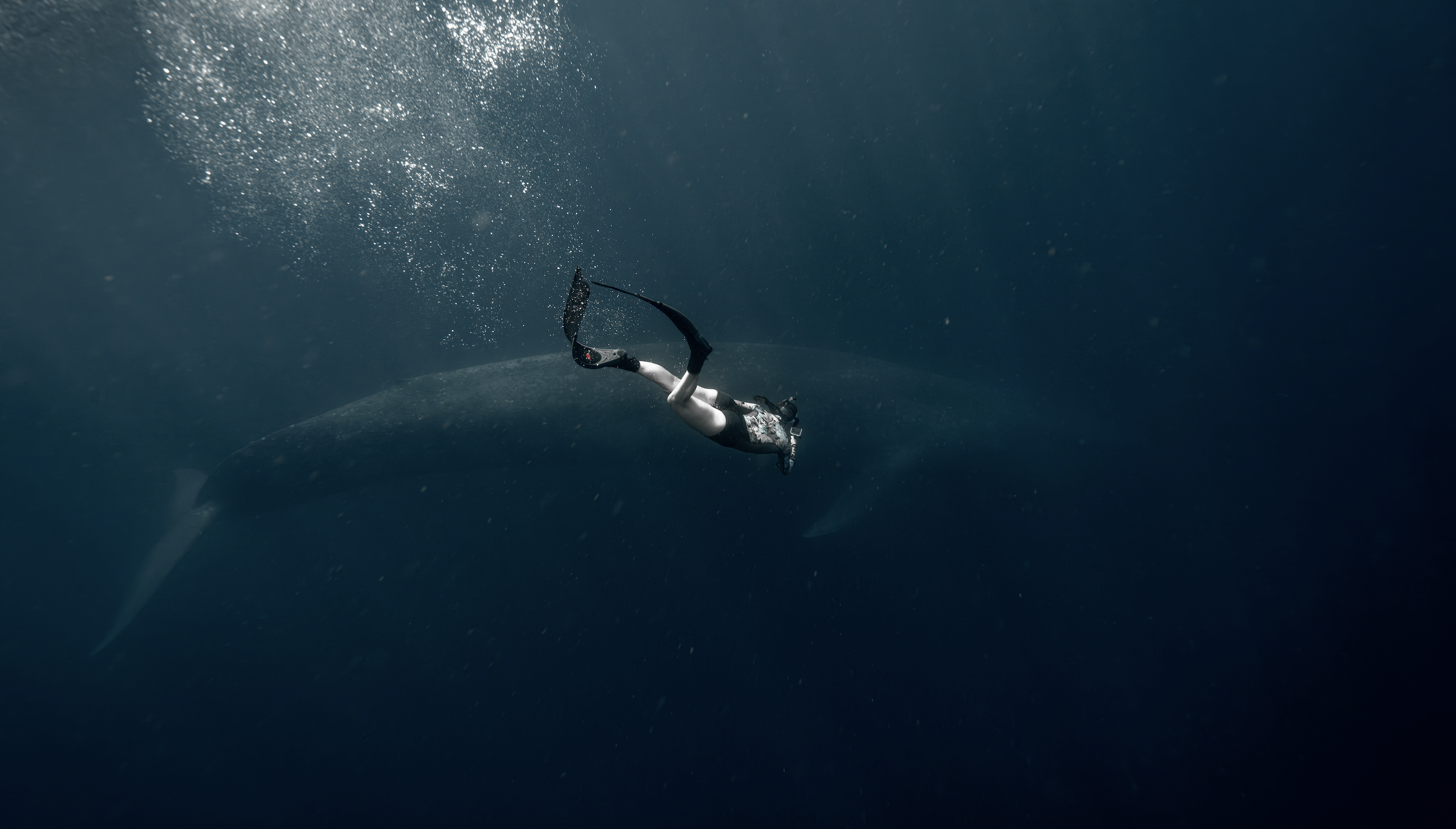
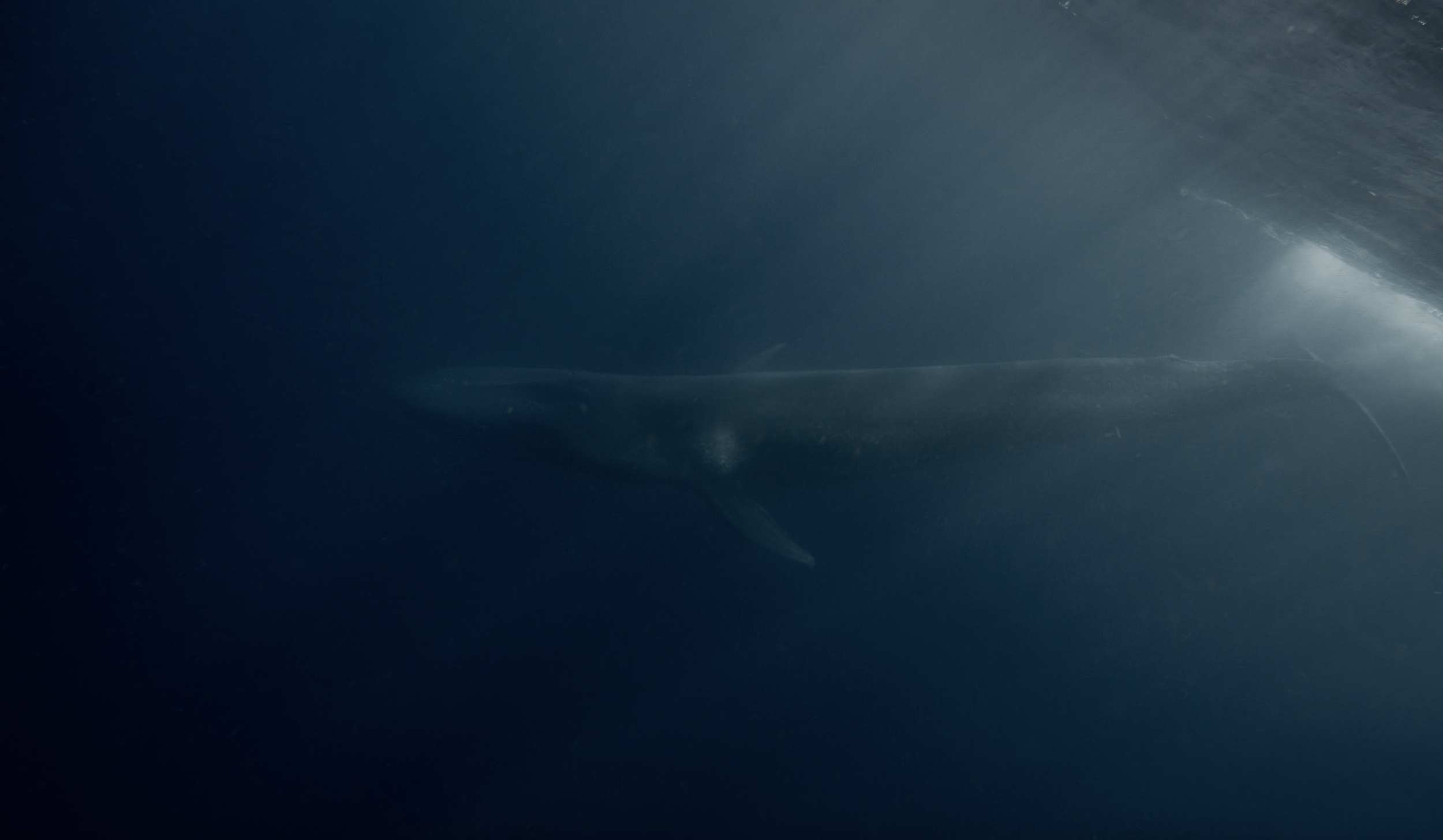
The current guidelines for approaching and swimming with blue whales limit in water interactions to 4 guests with 1 guide at a time (per drop), no drops on mothers with calves, and no cutting off whales from their natural swimming direction.
-
Using our 2025 season as a base, we saw blue whales every day top side while out on the water, and saw them in-water on two out of five water days, on seven successful. We also encountered 4 sperm whales and several pods of melon headed whales and dolphins while on the water. Chances are very decent for seeing whales both top side and in water; however, like all nature programs, we have very little control beyond trying our best.
-
Pygmy blue whales move through Timor-Leste seasonally in both directions as part of a broader Indonesian–Australian migration cycle. At different times of year, whales travel north toward lower-latitude waters of eastern Indonesia and south toward feeding grounds off southern and western Australia.
Our expeditions focus on the southbound phase of this movement, when whales head toward Australia during the late dry season, typically from early October through late November. This period has historically offered the most consistent conditions and encounter rates along Timor-Leste’s north coast; however, as the migration is between feeding grounds, it is very much subject to climate and food source density shifts and is difficult to predict with great accuracy. That said, thousands of blue whales pass through this channel during the migratory months.
Even during this peak window, blue whale movement is influenced by ocean conditions rather than a fixed calendar. Currents, productivity, weather, and sea state all play a role, and encounters can vary from day to day. For this reason, the program is built around probability, not certainty— maximizing time on the water in the right season and locations, while acknowledging that wildlife sightings are never guaranteed.
-
Participants must be strong, confident open-water swimmers who are comfortable entering the ocean repeatedly from a boat, often in deep water with no visual reference to the sea floor.
That said, this is not long-distance swimming. In-water interactions with blue whales in Timor-Leste are typically short, intense pass-bys rather than extended swims. Success depends on calm water entry, efficient positioning, good breath control, and the ability to remain relaxed and aware in open ocean conditions. Prior freediving experience is helpful but not mandatory; comfort, control, and situational awareness matter more than depth numbers.
-
Days are decently physically demanding but not exceedingly so. Expect 5-7 hours exposed to sun and heat, combined with repeated water entries once whales are located. Boat days are typically scheduled for six hours, weather permitting.
Participants should be prepared for multiple short drops in a single day, climbing in and out of the boat repeatedly, and staying focused even when conditions are warm or tiring. Good sun protection is essential—wide-brim hats, reef-safe sunscreen, and light coverage are strongly recommended.
-
No. Wildlife encounters are never guaranteed.
That said, this program is timed to the peak southbound movement of pygmy blue whales and is run in one of the most reliable locations on Earth for attempting in-water observation of blue whales. By focusing on the right season, spending long days on the water, and working in areas where deep pelagic water lies close to shore, we maximize probability, but certainty is never promised.
-
Distance varies and is never forced. Encounters are entirely on the whales’ terms.
When positioning, timing, and conditions align, and when participants are strong, calm swimmers, encounters often occur within roughly 10 meters. Some passes are closer, others more distant. Swimming ability, water awareness, and how quietly and effectively you enter the water all play a role in how successful encounters are. The boat aims to drop swimmers off to one side of the whale between 30-50 metres away.
This is observational wildlife interaction, not pursuit.
-
In Dili, we operate a modern dive boat with a powerful outboard engine and ample deck space. The vessel is capable of carrying up to 12 people including captain and spotter, but we intentionally limit participation to a maximum of 8 guests to maintain safety, flexibility, and compliance with local in-water guidelines.
In the remote regions, we use a smaller, more utilitarian metal boat powered by twin outboard engines. This boat is limited to 6 guests, plus captain and guide. It is less luxurious, but the trade-off is significant: far fewer boats, less pressure on the whales, and a much greater sense of space and isolation.
-
Accommodation is comfortable but not luxury.
In Dili, we stay at Sunset Inn by Pro Ema. Rooms are clean, air-conditioned, and equipped with hot water. The attached restaurant is considered one of the best in the city and is run by Timor-Leste’s leading culinary school, making it a highlight of the stay. Laundry is provided free of charge.
In the remote region, accommodation is more rustic but still comfortable. Expectations should be adjusted for simplicity and location, rather than amenities. Cleanliness, rest, and proximity to the ocean take priority over polish.
-
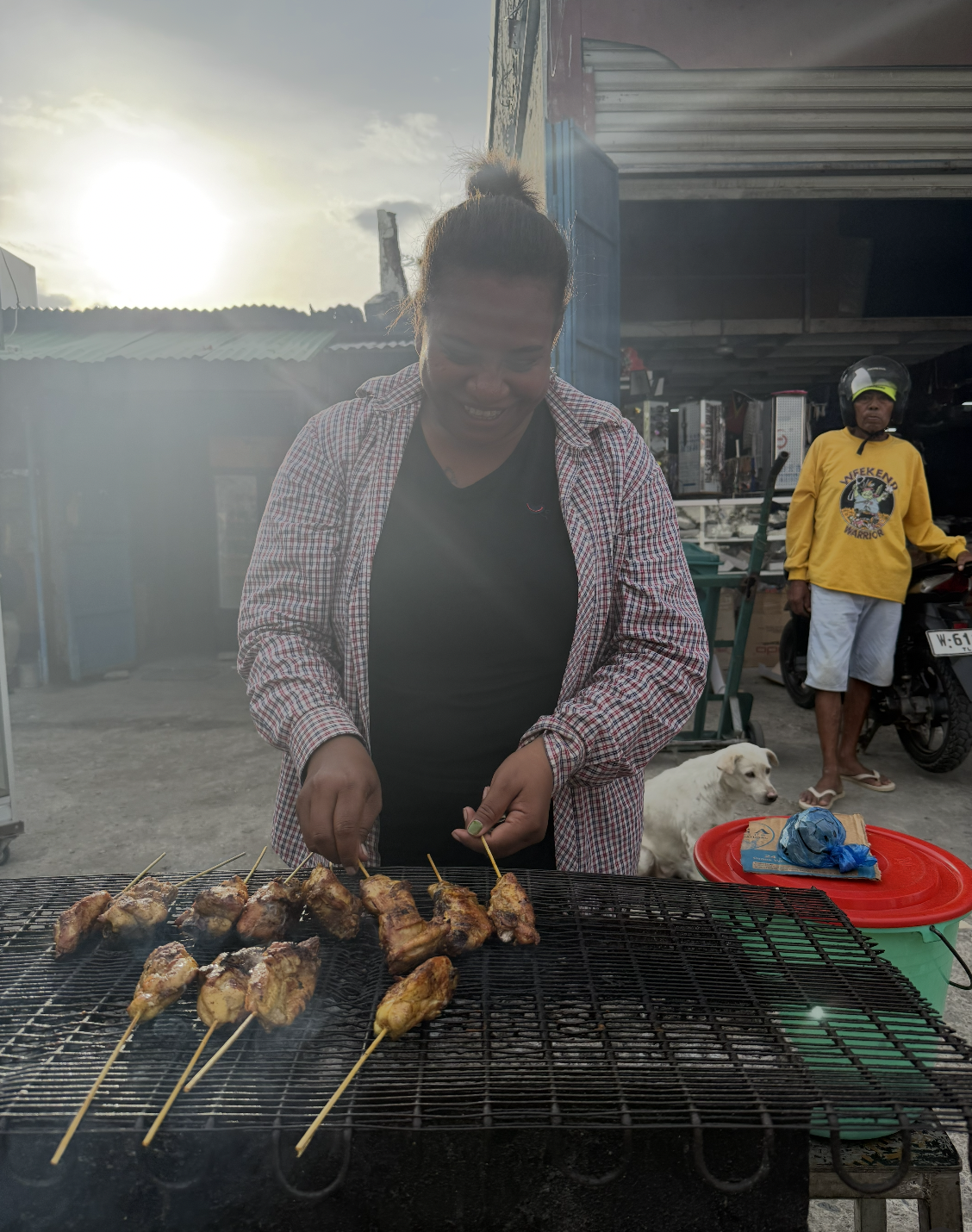
Food is consistently better than most people expect, and we have a nicely narrowed list of restaurants in Dili we really like.
Meals include a mix of traditional Timorese cuisine, such as fish cooked in banana leaves, soups, fish and meat balls, alongside Portuguese influences and flavours from Brazil, Indonesia and China. Fresh seafood is common, and meals are generally hearty and satisfying after long days on the water.
Most dietary needs can be accommodated with advance notice, though flexibility is appreciated given local sourcing.
-
We aim for approximately six hours on the water per day (i.e. we pre-pay our boats/captains for 6 hours daily), weather permitting.
If conditions become unsafe, we will return early and replace the boat time with alternative land-based activities. The schedule is designed to be full without being reckless.
-
We go out whenever it is safe to do so, which in Timor means most days since major weather issues are rare, but not unheard of.
Boat days are only cancelled when there is a genuine safety concern, such as severe weather or dangerous sea conditions (i.e. large swell / strong current). If this happens, we replace the day with alternative activities, cultural visits, inland excursions, or rest, rather than leaving time empty.
In Dili make-up days are nearly impossible to arrange since the boat is booked solid throughout the season, but in the rural areas we have more flexibility with doing a make up day.
-
No.
This expedition involves repeated open-water entries, long boat days, and more physically demanding conditions. It is not suitable for children or non-swimmers. The minimum age for participation is 16.
-
Yes, drones are allowed, subject to local regulations, conditions, and guide approval. Usage may be limited by weather, location, or sensitivity around communities and wildlife.
-
This trip is best suited for experienced ocean swimmers who value rare wildlife encounters, cultural immersion, patience, and uncertainty. It appeals to people who are comfortable with early starts, long days, and adapting plans based on conditions rather than schedules.
It is not suited for travelers seeking guaranteed sightings, luxury accommodations, gentle conditions, or heavily curated wildlife experiences.
-
Patience, humility, and curiosity. This is an expedition- meaning results are far from guaranteed.
The most rewarding experiences come from those who are comfortable with uncertainty, respectful of wildlife and local communities, and genuinely interested in Timor-Leste as a place, not just as a backdrop for blue whales. This is an expedition for people who value presence over control and depth over volume.