Rurutu Humpback Whale Season 2025: Week-by-Week Recap and Interaction Highlights
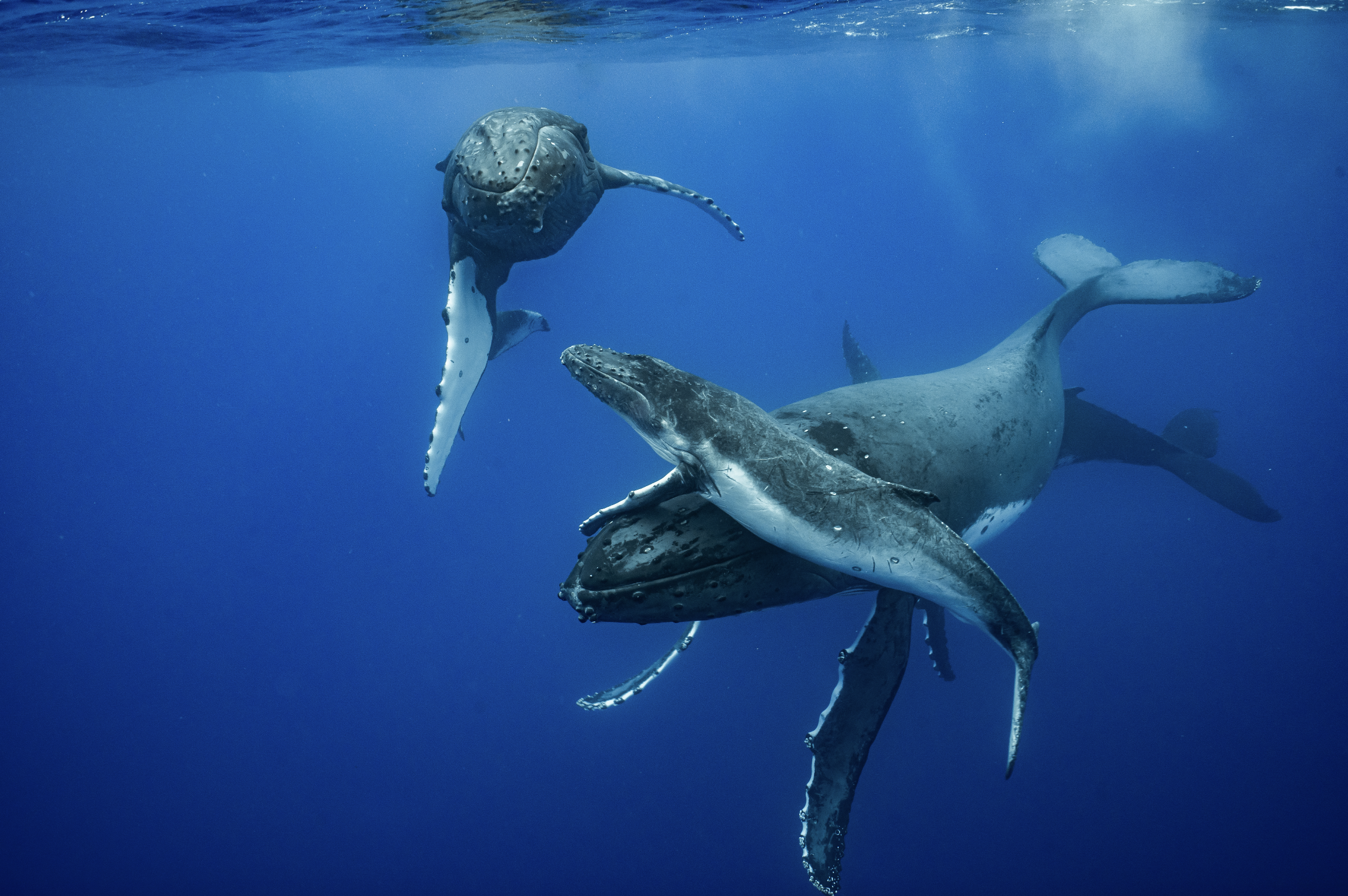
The 2025 humpback whale season in Rurutu delivered one of the most varied and instructive years we’ve seen. From late August through mid-October, conditions shifted dramatically and shaped the types of interactions available to our guests. Some weeks delivered intense heat runs and non-stop activity. Others were more weather-affected, offering quieter, more intimate encounters with mothers, calves, resting pairs, and small groups. Like every year, all weeks are different and its hard to predict what a “best week” would be. So all we can do is share what 2025 looked like and use it as more data points to compile.
This recap walks through each week of the 2025 season, breaking down interaction quality, weather patterns, and notable wildlife moments. It’s designed to help future guests understand how Rurutu’s season unfolds and which time periods tend to offer which types of behaviour. Remember, again, all years are different. This year has a very strong and wild early season, a lull in the middle, and a predictable late season with lots of intimate long in-water interactions. Not all years follow this pattern at all… 2024 for example has a slow early season, a very strong middle season, and a predictable late season again. Luck of the draw!
Late August: Peak Adult Activity and Heat Runs
Pre-Arrival
We conducted surveys of whales starting from the first and second weeks in August and were also to find 3-4 distinct calves, along with at least 12-16 adults.
August 24–31
This week was one of the strongest openings we’ve ever seen. Conditions were calm and visibility high, and whale behaviour was explosive. We documented a six-whale heat run, prolonged mating activity, and several high-energy encounters with juveniles. This was the week where the adults dominated the in-water interactions and set the tone for a record-setting start to the season.
August 31–September 7
The momentum continued. Adult and juvenile activity stayed consistently high, and for the first time this season, we began seeing early mother-calf pairs. By the end of the week we had confirmed three to four young calves in the area. It was an exceptional time to be on the water, with long, cooperative adult interactions and frequent surface activity.
Early to Mid-September: A Weather-Driven Slowdown
September 7–14
After two incredible weeks, conditions shifted. Winds strengthened and weather systems passed through, reducing time on the water and pushing whales further from the sheltered areas. Encounters were still possible but required more effort, and many were shorter or more challenging due to sea state.
September 14–21
This was the most difficult week of the season. Swell increased, winds stayed high, and visibility dropped in several zones. We still had one excellent day with strong interactions, but most of the week required long searches and careful navigation. Notably, this was the first season where we encountered a tiger shark in the water—an unexpected but fascinating sighting that reflects the richness of Rurutu’s ecosystem. Whale activity overall was muted, with most groups holding further offshore and fewer pairs present near the reef.
Late September: Return of Calm Conditions and Strong Mother-Calf Weeks
September 21–28
Conditions stabilized, and the whales moved back into the accessible zones around Rurutu. Mother-calf pairs were the highlight of this week, offering long, peaceful, low-travel interactions—ideal for photography and extended in-water time. Adult pairs were present again as well, giving the week a balanced mix of behaviour.
September 28–October 5
This was another excellent week. The patterns from the previous week continued with steady mother-calf encounters, cooperative adult singles, and relaxed groups holding consistent positions. Weather was favourable, creating a rhythm of long, unhurried days on the water that guests and crew described as some of the season’s most rewarding.
October: Weather Shifts Again, Rare Species Appear, and Season Slows Toward Migration
October 5–12
Wind patterns became more variable again, but whale numbers remained solid. Mother-calf interactions dominated the week, with several calves showing growing confidence and curiosity. The week also delivered one of the most exceptional wildlife encounters of the entire season: four Blainville’s beaked whales moving slowly along the reef edge, allowing rare, unobstructed in-water time. This sighting alone made the week unforgettable.
October 12–19
This was a calm, steady week with a wide range of interactions. Adult singles and pairs were present throughout the island, and mother-calf groups remained accessible with some calves now older, more interactive, and spending longer at the surface. While the frenetic intensity of early season had passed, this period offered a reflective, high-quality end to the season.
Overall Patterns and Lessons From the 2025 Season
The 2025 season showcased the full rhythm of Rurutu’s humpback whale cycle:
• Late August and early September produced the highest adult activity, heat runs, and competitive behaviours.
• Mid-September showed how quickly weather can shift local dynamics, reducing encounter rates but never eliminating the possibility of special moments. This is relativly unusual for Rurutu but also not at all unheard of.
• Late September into early October became the most reliable period for long, calm mother-calf interactions.
• October offered a mix of early-season energy and late-season stability, capped by rare open-ocean species like Blainville’s beaked whales.
In terms of success rates, the best weeks for high-energy behaviour were August 24–September 7. The strongest weeks for quiet, intimate mother-calf encounters were September 21–October 5. The most challenging week of the season was September 14–21 due to swell, wind, and whale distribution. Every week had something extraordinary, but each for different reasons.
For prospective guests planning future seasons, this year reinforced the idea that there is no single “best week”—only the style of encounter you hope for. If you’re seeking heat runs and explosive adult behaviour, late August and early September are ideal. If you want long, slow mother-calf sessions with excellent photographic opportunities, late September and early October offer the strongest consistency.