
French Polynesia 2027: What a week swimming with humpbacks actually looks like
If you’ve ever watched a “swim with humpbacks” video and thought, “Okay… but what does a full week actually feel like?” … here’s your answer.
Most content online is either a highlight reel (the best 30 seconds) or a vague itinerary that doesn’t answer the real questions: How much time are you searching? How do in-water sessions work? What’s ethical? What’s realistic?
This is the transparent version. Not to kill the magic (the magic is real), but to help you plan Rurutu 2027 with clear expectations, the right gear, and the right mindset.
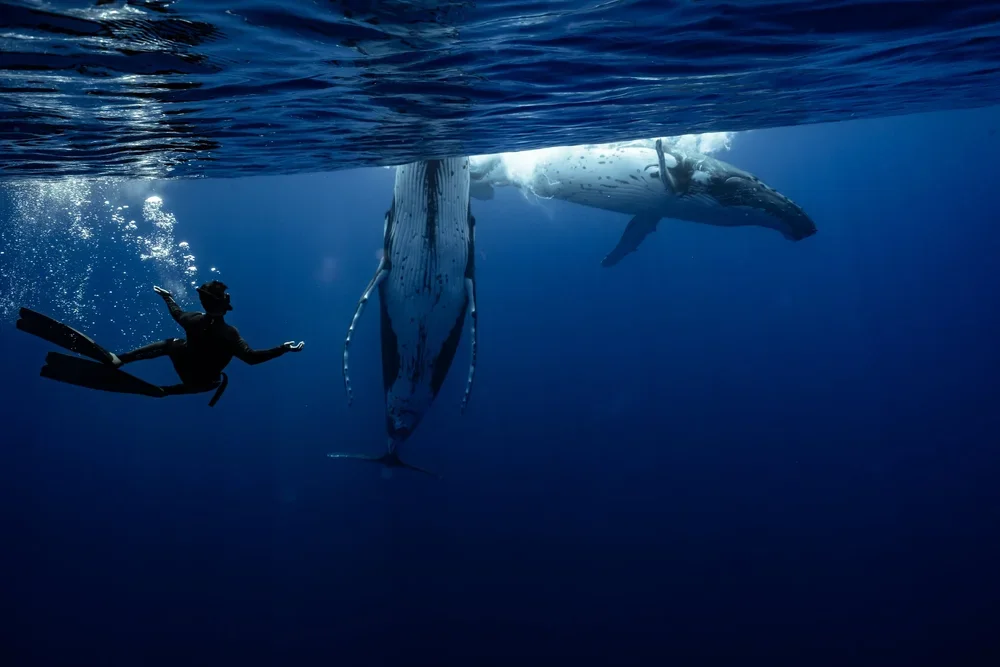
Why Rurutu draws humpback people in the first place
Rurutu (in the Austral Islands of French Polynesia) has become one of those places people whisper about in whale circles, not because it guarantees anything, but because encounters can be calm, respectful, and deeply memorable when conditions align.
If your goal is a responsible, small-group experience with whales in the wild (not a “get in the water at all costs” vibe), Rurutu often fits that philosophy well.
The honest promise: what this week is (and isn’t)
A good humpback week is best understood as a wildlife expedition with built-in ocean time.
Here’s the clearest way to frame it:
What it is:
A week centered on being on the water during humpback season
A mix of searching, observing from the boat, and rotating in-water sessions when it’s safe and appropriate
A lot of learning: whale behavior, ocean conditions, and how ethical interactions actually work
A reset for your brain: early mornings, ocean air, and the kind of tired you can feel proud of
What it isn’t:
A guaranteed “swim every day” experience
A production shoot where you can control distance, lighting, or whale behavior
A place where chasing, crowding, or pressuring whales is acceptable
A resort vacation with a whale moment sprinkled on top
A realistic week at a glance
Exact schedules vary by operator, weather, and whale behavior, but most weeks follow a similar rhythm.
Day 1: Arrival, orientation, and setting expectations
You’ll typically arrive, settle in, and do a gear check.
The most important part of day one is the briefing: safety rules, rotation system, how the group will enter the water, and what “responsible interaction” looks like in practice.
This is also where you align on the real goal: respectful encounters over “close at any cost.”
Days 2–6: Whale days (with one big variable: the ocean)
Most days start early. You head out, scan, listen, and search.
Sometimes you find whales quickly. Sometimes you earn them.
When whales are located, and conditions allow, the group usually rotates through short in-water sessions in smaller teams while others observe from the boat.
Final day: Wrap-up and departure
The last day is usually packing, travel logistics, and a quiet “how was that real life?” feeling.
If you’re photographing, it’s also when you finally go through everything you captured.
What a typical whale day can look like
Here’s a realistic sample. Think of it as a template, not a promise:
Early breakfast and a quick conditions check (wind, swell, visibility)
Boat briefing: plan for the day, safety reminder, rotation order
Search time: scanning blows, flukes, surface activity, and movement patterns
Approach carefully: observe first, assess behavior, decide if an in-water session is appropriate
Short in-water rotation(s) in small groups when conditions and whale behavior allow
Breaks between sessions (warm up, hydrate, reduce fatigue)
Return, rinse gear, rest, early night—repeat
The “hidden” part of whale trips is the patience. Searching is part of the experience, not wasted time. It’s how you meet whales on their terms.
How in-water sessions usually work (and why it matters)
The safest, most ethical weeks tend to use a clear system so everyone gets opportunities without crowding the whales.
Common elements you’ll see:
Small groups rotating in and out (rather than everyone entering at once)
A guide/lead who calls the session based on whale behavior and safety
Short, calm entries with space between people (less splashing, less chaos)
A strong “no chasing” culture, if the whales move off, you let them
Sessions paused or stopped if conditions change (current, swell, visibility)
This approach can feel slower than a “jump in immediately” style, but it protects the whales and keeps the group safer.
It also tends to produce better encounters. Calm whales often stay around longer.
Reality check: the parts people don’t show on Instagram
If you know these things going in, you’ll enjoy the week more. If you don’t, they can feel like unpleasant surprises.
Some days are quiet. Wildlife doesn’t perform on schedule.
You might spend real time just scanning the horizon.
You’ll get salty, tired, and a little sunbaked even if it’s overcast.
Between swims can feel cold, especially in wind or spray.
Seasickness is common (even for people who “never get seasick”).
Photography is harder than it looks: reflections, motion, low light, and fast decisions.
None of this is bad. It’s just real. And real is exactly what makes the best encounters feel earned.
What to pack for a humpback swim week
In-water essentials:
Wetsuit appropriate for long hours on the ocean (plus a layer option if you run cold)
Mask you trust plus anti-fog you like (don’t experiment for the first time on this trip)
Fins you can kick comfortably for multiple short sessions
Snorkel or no snorkel, depending on your comfort and the operator’s approach
Reef-safe sunscreen plus a rash guard (sun protection matters more than you think)
Comfort and recovery:
Seasickness plan: meds/ginger, hydration, and light snacks
Dry bag for phone/keys plus an extra towel
Warm layer/windbreaker for the boat (this is the difference between cozy and miserable)
Electrolytes and easy snacks for long boat days
Camera notes (if you’re shooting):
Choose simplicity over complexity; you’ll have less time than you think
Secure everything: straps, lanyards, floats (the ocean eats gear)
Bring a microfiber cloth; you’ll wipe lenses constantly
If you want both photo and video, pick one per session (switching wastes the moment)
Is Rurutu right for you?
This kind of trip is incredible for the right person. Here’s a quick self-check.
Rurutu tends to be a great fit if you:
Can handle early mornings and long days on the water
Want ethical interactions more than “closest possible” footage
Are comfortable in open water (or willing to prepare so you are)
Enjoy learning and observing, not just “getting the shot.”
Can stay flexible when conditions change
You may want a different style of trip if you:
Need strict guarantees to feel satisfied
Get very uncomfortable on boats (without a seasickness plan)
Prefer a luxury resort vibe over expedition rhythm
Aren’t comfortable in the ocean and don’t plan to build that comfort beforehand
How to plan Rurutu 2027 without overthinking it
If 2027 feels far away, that’s exactly why planning now is powerful. You get more choice and less stress.
Start with the big question: what kind of encounter do you want; observation, in-water, photography, or all three?
Lock the basics early (time off, budgeting, and a trip spot) so you’re not scrambling later.
Build ocean comfort: swim fitness, breath control, and calm entries matter more than fancy gear.
Talk through expectations before you book: rotation system, safety rules, and how decisions get made on the water.
And if you’re also curious about other kinds of whale encounters, you can explore different expedition styles too (for example, sperm whale-focused trips):
Next step
If you want the full trip details, dates, and what’s included for Rurutu 2027, start here:
If you’re unsure whether Rurutu is the right fit, the smartest move is to ask questions early. The goal isn’t to convince everyone. It’s to make sure the right people show up prepared, excited, and aligned with responsible whale time.
